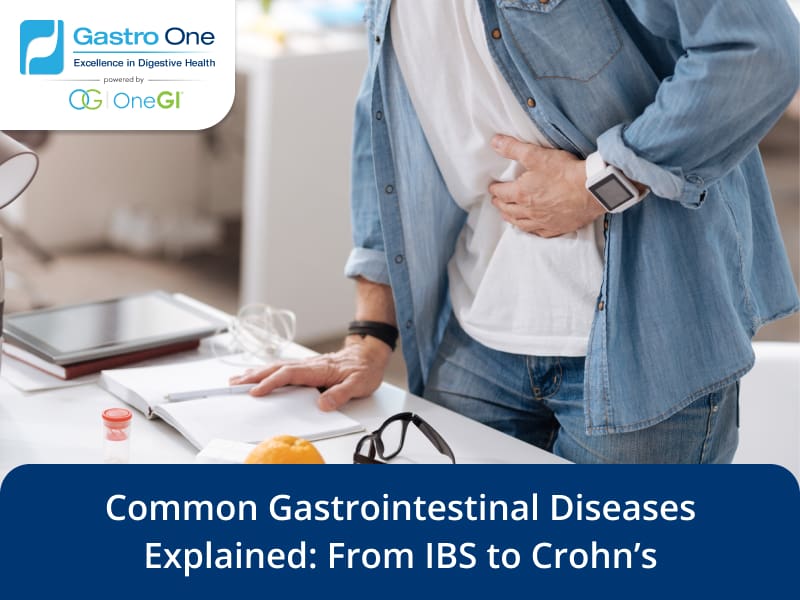
Gastrointestinal (GI) diseases range from common functional disorders to chronic inflammatory conditions. While both
Irritable Bowel Syndrome (IBS) and Crohn’s disease cause abdominal pain and diarrhea, IBS is a functional gut-brain issue without physical tissue damage, whereas Crohn’s is a serious autoimmune disease that physically inflames the digestive tract. Understanding the differences between common GI ailments can help you identify symptoms and seek appropriate medical care. Let’s look closer at these conditions.
Table of Contents
What is a Functional Gut Disorder vs. Structural Inflammatory Disease?
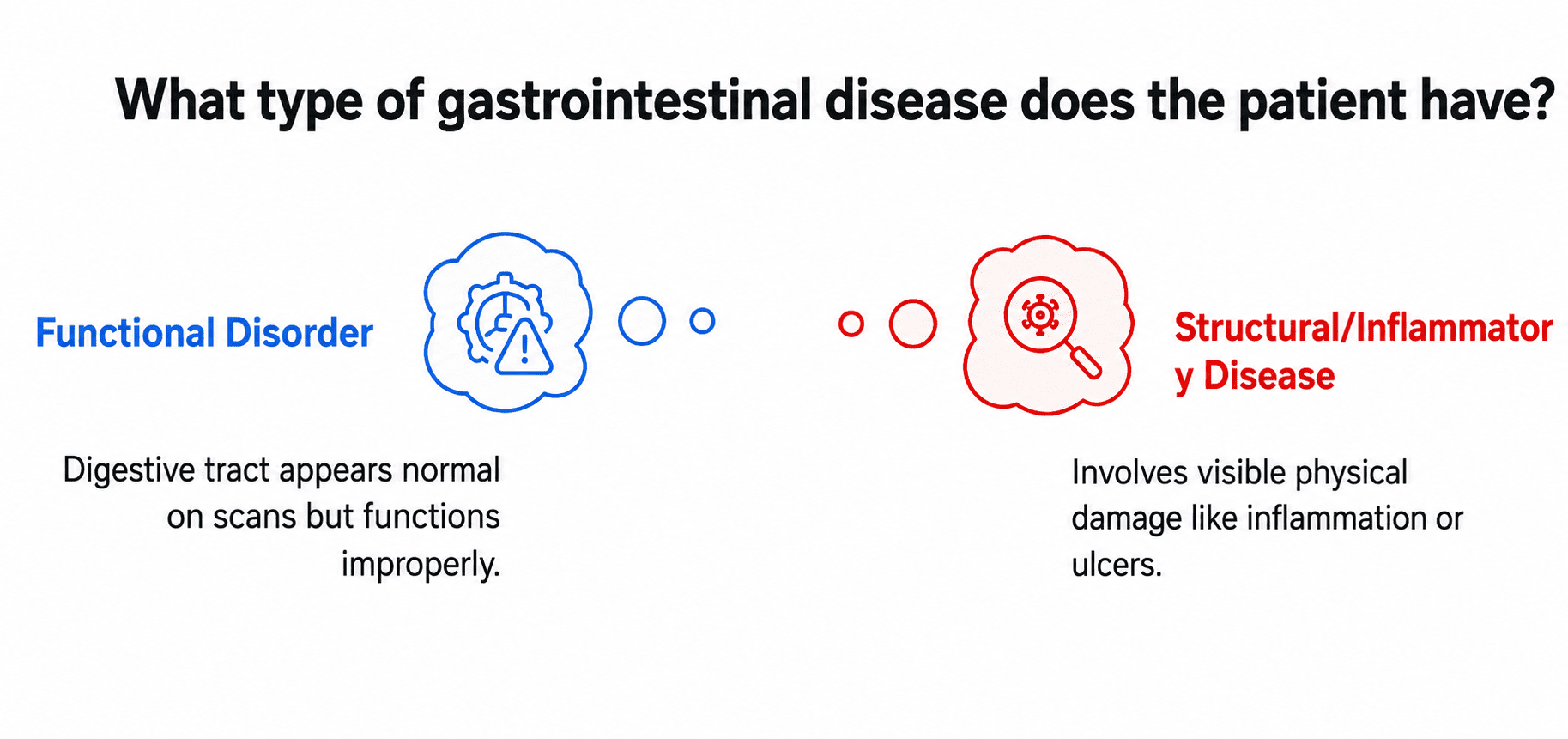
When your digestive system acts up, it is easy to assume all stomach problems are the same. However, doctors separate gastrointestinal diseases into two basic categories: functional disorders and structural diseases.
- Functional Disorders: This means your digestive tract looks perfectly normal on medical scans and tests, but it is not moving or processing food the way it should. The organs are shaped correctly, but they are simply not working properly.
- Structural or Inflammatory Diseases: These involve visible, physical damage inside your body. This can include deep inflammation, open sores (ulcers), or tissue damage in your digestive tract.
If you are dealing with ongoing stomach pain or changes in your bathroom habits, finding a specialized gastroenterology clinic is the most important first step to figuring out exactly what is wrong and getting the right help.
Understanding Common Gastrointestinal Diseases
Dealing with gut issues can be confusing when you do not know what is causing them. To help you understand your symptoms, here is a clear breakdown of seven of the most common conditions affecting the digestive system.
1. Irritable Bowel Syndrome (IBS)
IBS is a very common functional problem. It happens when the muscles in your colon squeeze abnormally or when the nerves in your gut become hypersensitive. This is often caused by a miscommunication between your brain and your gut, and it can be triggered by stress or certain foods. Because it is a functional issue, it changes how your bowel works without causing permanent physical damage to your tissue.
- Affected Areas: The large intestine (colon).
- Key Symptoms: Stomach cramps, bloating, gas, diarrhea, constipation, or alternating between the two.
- Treatment: Managing stress, changing your diet (like avoiding gassy foods), and taking medicines to help relax your gut muscles.
2. Crohn’s Disease
Crohn’s is a type of Inflammatory Bowel Disease (IBD). It happens when your body’s immune system accidentally attacks healthy cells in your digestive tract. It is a long-term illness that needs to be monitored by a doctor so it does not cause severe damage over time.
Getting an accurate diagnosis and a personalized Crohn’s disease treatment plan can prevent severe flare-ups and protect your intestines from permanent damage.
- Affected Areas: Any part of the digestive tract from the mouth to the anus, but most often the small and large intestines.
- Key Symptoms: Constant diarrhea (sometimes with blood), severe stomach pain, losing weight without trying, and feeling very tired.
- Treatment: Early treatment for Crohn’s disease usually involves anti-inflammatory drugs, immunosuppressants, advanced biologic therapies, or surgery to repair damaged sections.
3. Ulcerative Colitis (UC)
Like Crohn’s, UC is an inflammatory bowel disease. However, instead of affecting any part of the digestive tract, it only attacks the inner lining of your large intestine and rectum. The inflammation is continuous and does not leave patches of healthy tissue as Crohn’s does.
- Affected Areas: The large intestine (colon) and rectum.
- Key Symptoms: Bloody diarrhea, an urgent and frequent need to go to the bathroom, stomach pain, and weight loss.
- Treatment: Medicines to calm the immune system, anti-inflammatory drugs, and sometimes surgery to remove the colon if the disease is very severe.
4. Gastroesophageal Reflux Disease (GERD)
GERD is severe, ongoing acid reflux. It happens when the muscle ring at the bottom of your feeding tube (esophagus) becomes weak or relaxes when it shouldn’t. This allows harsh stomach acid to flow upward into your throat, causing a painful burning sensation.
- Affected Areas: The esophagus and the top of the stomach.
- Key Symptoms: Frequent heartburn, chest pain, trouble swallowing, or tasting sour liquid in the back of your mouth.
- Treatment: Changing your habits (losing weight, avoiding spicy or fatty foods, and not lying down after eating) and taking acid-reducing medicines.
5. Celiac Disease
Celiac disease is an autoimmune condition where eating gluten, a protein found in wheat, barley, and rye, causes your immune system to attack your small intestine. Over time, this reaction flattens the tiny, finger-like bumps in your intestine that absorb nutrients from your food, leading to malnutrition.
- Affected Areas: The small intestine.
- Key Symptoms: Bloating, chronic diarrhea, smelly gas, feeling weak, and low iron levels (anemia).
- Treatment: The only solution is a strict, lifelong gluten-free diet to let your intestines fully heal. For an in-depth breakdown of lifestyle modifications, read our comprehensive how to manage celiac disease diet treatment and lifestyle guide.
6. Diverticulitis
This condition occurs when small, bulging pouches called diverticula form in the walls of your intestines (usually the large intestine) and become inflamed or infected. It is more common as people get older and is often linked to a low-fiber diet.
- Affected Areas: The large intestine (colon).
- Key Symptoms: Sharp, severe pain, usually in the lower left side of the stomach; fever; nausea; and changes in bowel habits.
- Treatment: High-fiber diets to prevent pouches, antibiotics for infections, and a temporary liquid diet to let the resting bowel heal.
7. Peptic Ulcer Disease
Peptic ulcers are painful sores that develop on the inside lining of your stomach or the upper part of your small intestine. They are usually caused by a bacterial infection (H. pylori) or from taking pain relievers like ibuprofen or aspirin too frequently over a long period. Because it shares highly similar upper abdominal symptoms with other stomach issues, it is important to understand the clinical differences between peptic ulcers vs. gastritis to get the correct therapy.
- Affected Areas: The stomach lining and the upper small intestine.
- Key Symptoms: A burning stomach pain (especially when your stomach is empty), feeling bloated, burping, and nausea.
- Treatment: Antibiotics to clear the bacteria, and medicines that reduce stomach acid so the sores can heal.
When Should You See a Specialist for Your Gut Issues?
An occasional upset stomach or gas after a large meal is completely normal. However, you should not ignore symptoms that keep coming back. It is important to see a doctor right away if you notice “red flag” signs like losing weight without trying, seeing blood in the toilet, waking up from sleep to use the bathroom, or experiencing severe stomach pain that gets worse.
At Gastro One, we function as a dedicated, fully equipped center for the precise diagnosis and comprehensive treatment of all types of gastric disorders. Our specialized medical team uses advanced diagnostic tools, including endoscopy, colonoscopy, and targeted lab tests, to pinpoint the root cause of your discomfort.
If you are experiencing persistent digestive distress, it is important to speak with a healthcare provider for an accurate diagnosis and personalized treatment plan. Schedule an appointment to get the clinical expertise and ongoing support you need to achieve lasting relief.
Some More Queries Answered
Can stress cause a gastrointestinal disease like IBS or Crohn’s?
Stress does not directly cause structural diseases like Crohn’s, but it can trigger severe flare-ups. For functional disorders like IBS, chronic stress directly disrupts the gut-brain axis, drastically worsening painful symptoms.
How do doctors tell the difference between common gut conditions?
Specialists use blood and stool tests to screen for inflammation or celiac antibodies. To confirm a diagnosis, an endoscopy or colonoscopy allows doctors to visually inspect and biopsy the digestive tract lining.
Can changing my diet completely cure a chronic gastrointestinal disease?
Diet modifications cannot cure autoimmune structural diseases like Crohn’s, but they do manage symptoms. However, a strict gluten-free diet is the definitive, lifelong clinical treatment required to fully control and heal Celiac disease.
What is the difference between food intolerance, food allergy, and a GI disease?
Food allergies trigger immediate, dangerous immune responses, while intolerances cause temporary digestive difficulties when consuming specific foods. Gastrointestinal diseases involve chronic underlying dysfunction or systemic physical damage to the walls of the digestive tract.