You may feel healthy and wonder if screening is really necessary. Many people delay testing because they do not have symptoms, feel concerned about preparation, or assume they will know when something is wrong. The reality is that colorectal cancer can develop quietly.
Colon cancer screening helps find early changes before symptoms appear, allowing you to take preventive action. In this guide, we explain when you should begin screening, available testing options, and how we can help you understand your next steps.
Table of Contents
Why You Shouldn’t Delay Colon Cancer Screening Until Symptoms Appear
Colon cancer screening is important because colorectal cancer can develop without noticeable warning signs.
Many people associate cancer with symptoms like pain, bleeding, or changes in digestion, but screening options such as colonoscopy may be recommended before symptoms develop. Understanding the difference between sigmoidoscopy and colonoscopy can provide additional context. However, early colorectal cancer and precancerous polyps often do not cause symptoms. Screening allows you to look for these changes before they become more serious.
At Gastro One, we believe preventive care starts with awareness. When you understand why screening matters, you can make informed decisions about your health instead of waiting for a problem to appear.
A colonoscopy can also help prevent some cancers by identifying and removing certain polyps before they have the chance to develop into cancer.
| Quick Fact: According to the Centers for Disease Control and Prevention (CDC), colorectal cancer screening can help prevent cancer by finding precancerous polyps and can improve outcomes through early detection. |
When should you start colon cancer screening?
Most adults at average risk should begin screening at age 45.
Current colon cancer screening guidelines recommend that adults with average risk begin regular screening at age 45, making colon cancer prevention starting at age 45 an important part of preventive care. Your recommended schedule may vary depending on your health history, previous screening results, and risk factors.
You may need a different screening plan if you have:
- A personal history of colon polyps
- A family history of colorectal cancer
- Crohn’s disease or ulcerative colitis
- A genetic condition linked to colorectal cancer
Starting screening at the recommended time gives you the best opportunity to detect changes early, even when you feel completely well.
Who Should Consider Earlier Colorectal Cancer Screening?
You may need earlier screening if your risk of colorectal cancer is higher than average.
Your healthcare provider may recommend starting sooner if you have:
- A first-degree relative (parent, sibling, or child) with colorectal cancer
- Previous adenomatous polyps (growths that may become cancerous)
- Long-term inflammatory bowel disease
- Certain inherited cancer syndromes
Your family history matters. If a close family member was diagnosed at a younger age, your screening plan may need to begin earlier. If you are unsure about your risk, we recommend discussing your medical history with a gastroenterology provider.
Which colorectal cancer screening test is right for you?
The best screening test is the one that fits your health needs and can be completed at the recommended time.
There are several colorectal cancer screening options available. Each test has different benefits and requirements.
| Screening Test | How Often Is It Typically Done | What You Should Know |
| FIT stool test | Every year | Checks stool for hidden blood |
| Stool DNA test | Every 3 years | Detects blood and abnormal DNA markers |
| Colonoscopy | Usually every 10 years for average-risk adults with normal results | Examines the entire colon and can remove certain polyps |
| CT colonography | Every 5 years | Uses imaging to examine the colon |
A colonoscopy screening is different from many other tests because it allows a gastroenterologist to directly examine the colon and remove certain polyps during the same procedure.
You can learn more about available screening options through our Colon Cancer Screening service page.
What happens during a colonoscopy screening?
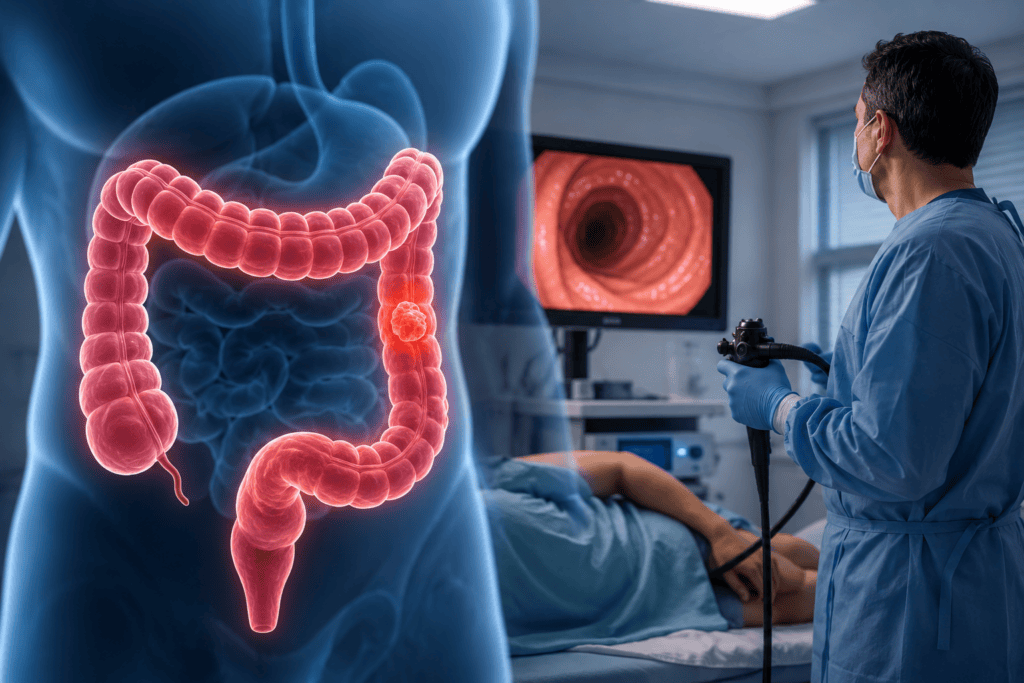
A colonoscopy allows your gastroenterologist to examine the inside of your colon using a flexible camera.
Before the procedure, you will complete bowel preparation to clear the colon. During the exam, your provider looks for abnormal areas such as polyps and may remove certain growths if needed.
 Many people delay colonoscopy because they worry about the preparation or procedure. Knowing what to expect can make the process easier.
The process usually includes:
- Preparing your colon before the appointment
- Receiving medication to help you remain comfortable
- Completing the examination
- Discussing your results and follow-up recommendations
Our team is here to answer questions and help you understand each step before your appointment.
What symptoms should you discuss with a healthcare provider?
You should discuss ongoing digestive changes, bleeding, or unexplained symptoms with a healthcare professional.
Possible warning signs include:
- Blood in your stool
- Persistent constipation or diarrhea
- Changes in bowel habits
- Unexplained weight loss
- Ongoing abdominal discomfort
- Unusual fatigue
These symptoms can happen for many reasons, and they do not always mean cancer. However, getting evaluated helps identify the cause and determine the appropriate care.
Remember, screening is recommended even when you have no symptoms because the goal is prevention and early detection.
How can you prepare for your colon cancer screening appointment?
A little preparation can make your screening experience smoother.
Before your appointment, consider:
- Writing down your family history
- Preparing a list of medications
- Asking questions about preparation and recovery
- Discussing concerns about the procedure
Being informed helps you feel more comfortable and confident when making healthcare decisions.
For additional information on digestive health, visit Gastro One.
Key Takeaways
- Colon cancer can develop without symptoms.
- Most average-risk adults should begin screening at age 45.
- Your family history and health conditions may affect when you need testing.
- Colonoscopy can detect and remove some precancerous polyps.
- Talking with a gastroenterology provider can help you choose the right screening option.
Taking the Next Step. Meeting an Expert Now!
You do not need to wait for symptoms to take control of your digestive health. Screening gives you the opportunity to find problems earlier and make informed decisions about your care.
At Gastro One, we are committed to helping you understand your colorectal cancer screening options and feel supported throughout the process.
Your next step: Talk with our team about when screening is right for you. Call Gastro One at 901-755-9110 or schedule an appointment online.
Frequently Asked Questions
Can you have colon cancer even if you feel completely healthy?
Yes. Colorectal cancer may develop without symptoms in early stages, which is why routine screening is recommended even when you feel well.
Is colon cancer screening only needed if you have a family history?
No. While family history increases risk, many people diagnosed with colorectal cancer do not have a known family history.
How long does a colonoscopy appointment usually take?
The procedure itself is often completed within an hour, but you should plan additional time for preparation, check-in, recovery, and transportation afterward.
What happens if a screening test finds a problem?
Your healthcare provider will recommend appropriate follow-up. For many abnormal results, the next step is a colonoscopy for a closer examination.
Can lifestyle choices affect colorectal cancer risk?
Yes. Regular physical activity, maintaining a healthy weight, avoiding tobacco, limiting alcohol, and eating a balanced diet can support overall colorectal health.