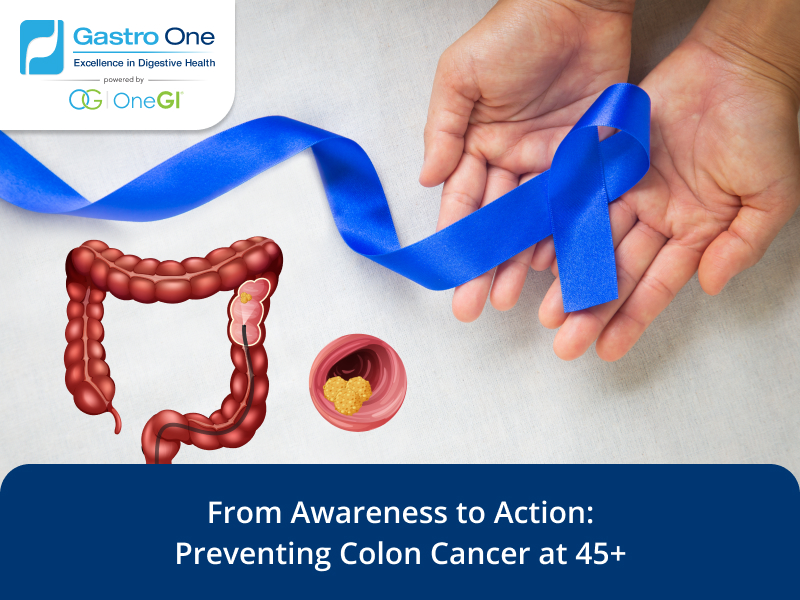
March is National Colorectal Cancer Awareness Month, a time dedicated to increasing awareness about colon cancer and the importance of screening.
Colorectal cancer remains one of the most common cancers in the United States. According to the American Cancer Society, approximately 158,850 new cases of colorectal cancer are expected in 2026. While screening has helped reduce rates among older adults, cases among adults under 50 have been rising in recent years.
The good news is that colorectal cancer is often preventable and highly treatable when detected early. Screening tests can identify and remove precancerous polyps before they develop into cancer, making routine screening one of the most effective steps you can take to protect your health.
Table of Contents
Why Colon Cancer Screening Starts at Age 45
Most adults should begin colon cancer screening at age 45.
The American Cancer Society updated its screening guidelines to recommend starting at age 45 instead of 50 after research showed increasing rates of colorectal cancer among younger adults. Screening earlier allows physicians to detect and remove abnormal growths before they have the chance to become cancerous.
For individuals at average risk, screening continues at regular intervals depending on the test used. Your doctor can help determine which screening schedule and test option is right for you.
What Are the Risk Factors for Colon Cancer?
Age is the most significant risk factor for colorectal cancer, but other factors may increase your risk as well.
Medical conditions
Certain digestive conditions are associated with a higher risk of colorectal cancer, including:
- Crohn’s disease
- Ulcerative colitis
- Long-standing inflammatory bowel disease
Family history and genetics
Your risk may be higher if:
- A parent or sibling has had colorectal cancer
- A close relative has had adenomatous polyps
- Your family has a history of genetic conditions such as Lynch syndrome or familial adenomatous polyposis
Lifestyle factors
Lifestyle habits can also play a role in colorectal cancer risk. Factors associated with higher risk include:
- Obesity
- Limited physical activity
- Tobacco use
- Heavy alcohol consumption
- Diets high in red or processed meats
Making healthier lifestyle choices can help support long-term digestive health.
What Are the Early Signs and Symptoms of Colon Cancer?
Colorectal cancer may develop without noticeable symptoms in its early stages, which is why colon cancer screening should not wait for symptoms. However, certain symptoms should always be discussed with your healthcare provider, such as a gastroenterologist.
These may include:
- Persistent changes in bowel habits, such as diarrhea or constipation
- Rectal bleeding or blood in the stool
- Dark or black stools
- Ongoing abdominal pain or cramping
- Unexplained weight loss
- Persistent fatigue
These symptoms can be caused by many conditions, but they should always be evaluated by a medical professional.
What Are the Screening Options for Colon Cancer?
Several screening tests are available to detect colorectal cancer or precancerous polyps. Your doctor can help you decide which option is most appropriate for your personal health history and preferences.
Colonoscopy
A colonoscopy is considered the most comprehensive screening test. During this procedure, a physician uses a thin, flexible tube equipped with a camera to examine the entire colon and remove polyps if found.
For individuals at average risk, a colonoscopy is typically recommended every 10 years.
Stool-based tests
Noninvasive stool tests can also detect early signs of colorectal cancer.
Common options include:
- Fecal immunochemical test (FIT): Detects hidden blood in the stool and is usually done once per year
- Stool DNA test: Detects abnormal DNA and blood in the stool and is typically performed every three years
If a stool test shows abnormal results, a colonoscopy is needed to evaluate the findings.
How Can You Reduce Your Risk of Colon Cancer? Lifestyle Tips That Work
While screening plays the most important role in prevention, certain healthy habits may also help reduce your risk of colorectal cancer.
Consider the following steps to support colon health:
- Eat a high-fiber diet that includes fruits, vegetables, and whole grains
- Limit red and processed meats
- Get regular physical activity, aiming for about 150 minutes of moderate exercise each week
- Maintain a healthy body weight
- Avoid tobacco products
- Limit alcohol intake
Small lifestyle changes can make a meaningful difference in your overall digestive health.
Start the Conversation With Your Doctor
Colon Cancer Awareness Month is a helpful reminder to take proactive steps toward prevention, including learning about screening procedures and the differences between colonoscopy and sigmoidoscopy.
If you are 45 or older, consider talking with your doctor about colon cancer screening. It is also helpful to discuss your family’s health history, including whether relatives have had colon cancer or colon polyps.
Screening saves lives. By detecting changes early, doctors can treat problems before they become serious.