An endoscopy can detect a wide range of digestive diseases and conditions, including gastroesophageal reflux disease (GERD) complications, esophagitis, peptic ulcers, inflammatory bowel disease (Crohn’s disease and ulcerative colitis), celiac disease, polyps, infections, gastrointestinal bleeding, Barrett’s esophagus, esophageal varices, and cancers of the digestive tract.
By allowing doctors to directly examine the digestive system and collect tissue samples when needed, endoscopy helps provide accurate diagnoses and personalized treatment plans.
For many, the thought of undergoing an endoscopy can be daunting, but it’s a crucial step in diagnosing several common and severe health issues.
If you’ve been experiencing unexplained digestive symptoms like abdominal pain, difficulty swallowing, or persistent heartburn, you may be wondering what’s causing it. Endoscopy is a safe and effective diagnostic tool that can provide clear answers.
In this guide, we’ll walk you through the diseases that can be detected through endoscopy, and why it’s essential to consider this procedure at Gastro One. Let’s dive in!
Table of Contents
What is an Endoscopy?
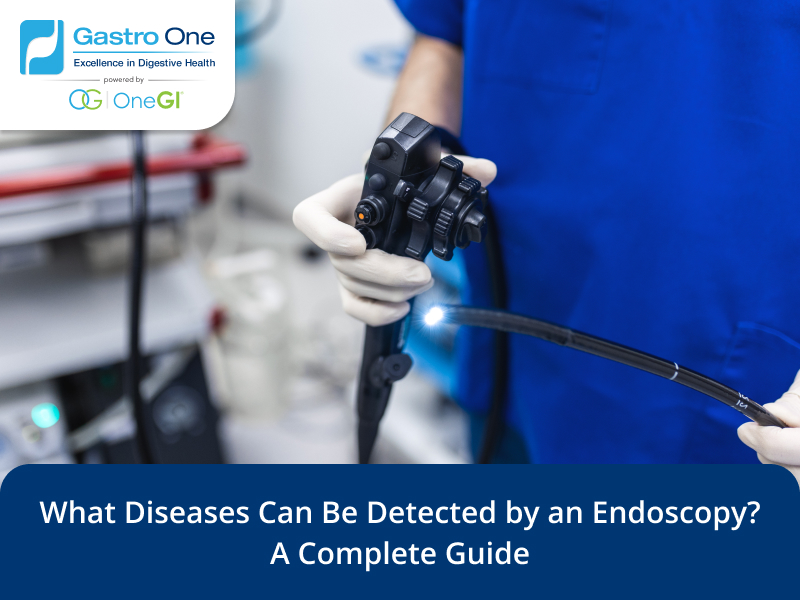
An endoscopy is a medical procedure that allows doctors to examine the inside of your body using a flexible tube with a light and camera attached, called an endoscope. It’s commonly used to inspect the digestive tract, including the esophagus, stomach, and intestines.
The procedure is minimally invasive and helps doctors identify issues like inflammation, bleeding, ulcers, and tumors. With its ability to provide clear, real-time images, endoscopy is an essential tool for accurate diagnosis and treatment planning.
How Are Diseases Detected by Endoscopy?
Endoscopy is often recommended by healthcare providers to diagnose diseases, assess internal organs, and, in some cases, perform treatments. It is a valuable tool not only for diagnosing conditions but also for treating them. For example, while stomach ulcers used to require surgery for bleeding, they can now be effectively treated with endoscopy.
Endoscopy is a medical procedure used to inspect the internal structures of the body. During the procedure, a healthcare professional inserts a long, flexible tube known as an endoscope into the body, guiding it to the area that needs examination.
Equipped with a light and a camera at the tip, the endoscope captures images and videos, which are displayed on screens for detailed analysis. Endoscopy is typically performed through the mouth or nose to examine the gastrointestinal tract, including the organs, tissues, and linings.
What are the Diseases Detected by Endoscopy?
Endoscopy provides direct visualization of the gastrointestinal tract, allowing for the detection of numerous conditions that may be difficult to identify or assess accurately through external imaging or lab tests alone. Its precision makes it an essential tool for proper diagnosis and effective treatment planning.
- GERD and Related Complications: Endoscopy can reveal esophagitis, strictures, erosions, and Barrett’s esophagus caused by long-term acid reflux.
- Peptic Ulcers: Both gastric and duodenal ulcers are identified, and biopsy helps differentiate between benign and malignant ulcerations.
- Inflammatory Bowel Disease (IBD): Conditions like Crohn’s disease and ulcerative colitis are diagnosed through visible signs of inflammation, ulcerations, and disease progression.
- Celiac Disease: Upper endoscopy with biopsy can confirm celiac disease by showing villous atrophy in the small intestine.
- Polyps and Adenomas: Colonoscopy identifies precancerous polyps, which can be removed before they develop into cancer.
- Infectious Colitis: Endoscopy with biopsies can diagnose infections such as C. difficile colitis and parasitic infections.
Why Are Biopsies Taken During an Endoscopy?
Biopsies are taken during an endoscopy because they allow doctors to examine tissue samples under a microscope and identify conditions that may not be visible through the endoscope camera alone. While endoscopy provides a clear view of the digestive tract lining, biopsy results provide important information at the cellular level.
During the procedure, a gastroenterologist can use small instruments passed through the endoscope to collect tiny tissue samples. Patients typically do not feel biopsy collection because endoscopy procedures are performed with sedation or numbing medication to maintain comfort.
Endoscopy biopsies can help diagnose conditions such as celiac disease, H. pylori infection, Barrett’s esophagus, inflammatory bowel disease, abnormal cell changes, and gastrointestinal cancers. These results help physicians determine the most appropriate treatment plan and monitor digestive health over time.
What Chronic Diseases Can Be Detected with Endoscopy?
In addition to identifying routine inflammatory and benign conditions, endoscopy plays a critical role in detecting severe and potentially life-threatening diseases that require urgent attention or advanced treatment. Early detection of these conditions through endoscopy can greatly improve patient outcomes and survival rates.
- Gastrointestinal Cancers: Endoscopy with biopsy is essential for diagnosing esophageal, stomach, and colorectal cancers, with early detection improving the chances of successful treatment.
- Esophageal Varices: In patients with cirrhosis, endoscopy detects enlarged esophageal veins that are at risk of rupturing, allowing for preventive measures to avoid dangerous bleeding.
- Advanced Barrett’s Esophagus with High-Grade Dysplasia: Endoscopy identifies this precancerous condition, enabling timely intervention before it progresses to cancer.
- Acute Massive Bleeding: During active bleeding, endoscopy can locate the source of hemorrhage and facilitate immediate treatment to control the bleeding, which can be lifesaving.
- Ischemic Bowel Disease: Endoscopy helps diagnose ischemic colitis caused by reduced blood flow, providing critical information for treatment planning.
How is an Endoscopy Procedure Done?
Understanding the steps involved in an endoscopy can ease concerns and help patients feel more comfortable during the procedure. While the details differ between upper and lower endoscopies, both procedures follow well-established protocols that prioritize safety, accuracy, and patient comfort.
- Pre-Procedure Assessment: Before the procedure, patients undergo a review of their medical history, medications, and risk factors. The gastroenterologist explains the purpose of the procedure, answers any questions, and obtains informed consent.
- Sedation Administration: Most endoscopies are conducted under conscious sedation to ensure patient comfort. An intravenous (IV) line is placed, and sedative medications are administered. Vital signs are monitored throughout the procedure.
- Upper Endoscopy Technique: The patient lies on their left side, and a mouth guard is placed to protect the teeth. The endoscope is gently passed through the mouth as the patient swallows to aid its movement. Air is introduced to expand the stomach, allowing for clear visualization. The doctor examines the areas thoroughly, taking photos of any abnormalities and performing biopsies if necessary.
- Lower Endoscopy Technique: The colonoscope is lubricated and inserted through the anus. The gastroenterologist advances the scope through the colon using air or carbon dioxide to inflate the colon. Once the cecum is reached, the scope is slowly withdrawn while the physician carefully examines for polyps or other irregularities.
- Recovery: After the procedure, patients typically recover as the sedation wears off and can be discharged within 30–60 minutes. Because of the lingering effects of sedation, patients must arrange for transportation and avoid driving for at least 24 hours.
What Are the Different Types of Endoscopy Procedures?
Gastrointestinal endoscopy procedures are mainly divided into upper and lower endoscopies, each focusing on different parts of the digestive system. Beyond these, other types of endoscopy include capsule endoscopy, enteroscopy, ERCP, endoscopic ultrasound, and bronchoscopy. The choice of procedure depends on the symptoms, suspected diagnosis, and treatment objectives.
1) Upper Endoscopy Procedure
Upper endoscopy, also known as esophagogastroduodenoscopy (EGD), is performed when doctors need to examine the esophagus, stomach, and duodenum. The procedure involves inserting a flexible endoscope through the mouth and throat, which is equipped with a light and a high-definition camera that sends real-time images to the screen for evaluation.
During the procedure, doctors can perform biopsies by using tiny forceps passed through the endoscope to collect tissue samples. These biopsies can help diagnose conditions such as H. pylori infections, Barrett’s esophagus, dysplasia, cancer, and other inflammatory issues.
Upper endoscopy is typically recommended for symptoms like heartburn that doesn’t respond to medication, difficulty swallowing, persistent upper abdominal pain, suspected ulcers, iron deficiency anemia, or screening for varices in patients with liver disease. The procedure usually lasts 15–30 minutes and is done under conscious sedation.
Therapeutic interventions performed during an upper endoscopy include treating bleeding ulcers, dilating esophageal strictures, removing polyps, banding varices, extracting foreign objects, and placing feeding tubes.
2) Lower Endoscopy Procedure
Lower endoscopy, or colonoscopy, is performed to inspect the entire colon and rectum. A flexible colonoscope is inserted through the anus and guided through all sections of the colon. The endoscopist carefully examines the internal surfaces while slowly withdrawing the instrument.
Lower endoscopy is necessary for colorectal cancer screening, starting at age 45, investigating rectal bleeding, assessing chronic diarrhea or constipation, diagnosing inflammatory bowel disease, monitoring existing IBD or previous polyps, and evaluating unexplained abdominal pain.
During a colonoscopy, polypectomy (polyp removal) can be done immediately when polyps are found, preventing precancerous growths from developing into cancer. The procedure requires thorough bowel preparation and typically takes 30–60 minutes under sedation.
What Conditions are Diagnosed by An Endoscopy?
There are various conditions diagnosed by an endoscopy in clinical situations where directly visualizing internal organs offers valuable diagnostic insight or allows for immediate intervention. Understanding the circumstances that require endoscopy helps patients recognize why this procedure may be recommended.
- Persistent Digestive Issues: Ongoing symptoms like abdominal discomfort, trouble swallowing, chronic heartburn, or unexplained nausea and vomiting lasting weeks call for endoscopy to uncover the root cause.
- Gastrointestinal Bleeding: Any signs of bleeding, like vomiting blood, passing black stools, or blood in stool, require urgent endoscopy to locate the source and often provide immediate treatment.
- Cancer Screening: For individuals with risk factors such as a family history of cancer, prior polyps, inflammatory bowel disease, or Barrett’s esophagus, endoscopy plays a vital role in early cancer detection, which can improve treatment outcomes.
- Unexplained Weight Loss: Unintentional, significant weight loss warrants endoscopy to rule out conditions like cancer, malabsorption, or chronic inflammation affecting the digestive system.
- Chronic Anemia: Iron-deficiency anemia without an obvious external cause requires endoscopy to identify hidden gastrointestinal bleeding, possibly due to ulcers, abnormal blood vessels, or tumors.
How to Prepare for an Endoscopy?
To prepare for an endoscopy, follow your doctor’s instructions carefully, including fasting for several hours before the procedure. You may also need to adjust your medications. It’s important to arrange for someone to drive you home afterward due to sedation.
Upper Endoscopy Preparation
To ensure an empty stomach, patients should fast for 6–8 hours before the procedure. Most daily medications can be taken with small sips of water. If the patient is on blood thinners, they may need to temporarily stop taking them, depending on the reason for the procedure.
Lower Endoscopy Preparation
Preparing for an endoscopy requires a thorough bowel cleanse. Dietary changes begin 2–3 days before the procedure by avoiding high-fiber foods. The day before, patients must follow a clear liquid diet. Bowel preparation involves taking prescribed laxative solutions that induce diarrhea to fully empty the colon. Split-dose regimens are often recommended for better cleansing results.
General Preparation
As sedation prevents patients from driving, it’s essential to arrange for someone to transport them to and from the appointment. Patients should wear comfortable clothing and complete any required pre-procedure forms. Following all preparation guidelines carefully ensures the best outcomes and diagnostic accuracy.
What are the Possible Risks & Complications of Endoscopy?
Although endoscopy is generally safe when performed by experienced gastroenterologists, patients should be aware of potential risks and complications. Knowing what to look for after the procedure allows patients to seek timely medical attention if necessary.
- Perforation: The most serious risk is a perforation, or a hole in the gastrointestinal wall, occurring in roughly 1 in 1,000 to 1 in 2,500 colonoscopies. Symptoms include severe abdominal pain, fever, and rigidity, which require immediate medical attention.
- Bleeding: Bleeding can occur after polyp removal or biopsy. If bleeding is severe, it may require repeat endoscopy, blood transfusion, or, in rare cases, surgery.
- Infection: Though rare, infections such as bacteremia or aspiration pneumonia may occur. Symptoms include fever, chills, or worsening abdominal pain.
- Sedation-Related Risks: Adverse reactions to sedation may include respiratory depression, aspiration, or cardiovascular effects. Continuous monitoring during the procedure reduces these risks.
- Cardiovascular Risks: Patients with heart conditions may experience cardiac complications during endoscopy, which can be triggered by the stress of the procedure or the effects of sedation.
Is Endoscopy Dangerous? Understanding the Risks and Safety
Endoscopy is generally considered a safe and commonly performed procedure when completed by trained gastroenterology specialists. Millions of endoscopy procedures are performed each year to diagnose and treat digestive conditions, and serious complications are uncommon.
Like any medical procedure, endoscopy does involve some potential risks. These may include bleeding, infection, reactions to sedation, or, in rare cases, perforation (a small tear or hole in the digestive tract wall). The risk level can vary depending on the type of procedure performed, the patient’s overall health, and whether additional treatments such as polyp removal are needed.
Before an endoscopy, your gastroenterologist reviews your medical history, medications, and individual risk factors to help ensure the procedure is performed safely. During the procedure, trained medical professionals closely monitor vital signs and use advanced equipment to support patient comfort and safety.
Patients should contact their healthcare provider after an endoscopy if they experience symptoms such as severe abdominal pain, persistent vomiting, fever, difficulty breathing, or heavy bleeding. Understanding the benefits and risks of endoscopy can help patients make informed decisions about their digestive health.
What are the Side Effects of Endoscopy?
Minor side effects of endoscopy may include bloating, nausea, throat irritation, or mild discomfort. These usually subside within a few hours as the effects of sedation wear off.
- Throat Discomfort: After an upper endoscopy, it’s common to experience a mild sore throat or irritation, typically resolving within 24–48 hours.
- Bloating and Gas: The air used during the procedure can cause abdominal bloating and cramping, which may last several hours. Walking around can help release the trapped gas.
- Minor Rectal Bleeding: After a colonoscopy, especially if biopsies or polypectomy were performed, small amounts of bright red blood in the stool are normal and should subside within 1–2 days.
- Drowsiness: Sedation may leave patients feeling drowsy for several hours after the procedure, impairing their judgment. Patients should avoid driving or operating machinery for at least 24 hours.
FAQs
How long does an endoscopy take?
An endoscopy typically takes between 15 and 30 minutes, depending on the type of procedure and whether biopsies, treatments, or additional evaluations are needed. After the procedure, patients usually spend additional time recovering from sedation before going home. Your healthcare provider can explain the expected timeline based on your specific procedure.
Is endoscopy painful?
Endoscopy is generally not painful because patients are given sedation or medication to help them remain comfortable during the procedure. Some people may experience mild throat irritation after an upper endoscopy or temporary bloating after a lower endoscopy. These side effects usually improve within a short period after the procedure.
What to eat after an endoscopy?
After an endoscopy, most patients can gradually return to eating once the effects of sedation begin to wear off. Starting with light foods such as soup, toast, or crackers may help prevent discomfort. Your doctor may provide specific dietary instructions depending on whether biopsies or treatments were performed during the procedure.
Can endoscopy detect cancer?
Yes, endoscopy can help detect cancers affecting parts of the digestive system, including the esophagus, stomach, colon, and rectum. During the procedure, doctors can identify suspicious areas and collect biopsy samples for laboratory testing. Early detection through endoscopy can help patients receive timely treatment and improve outcomes.
Is bleeding after an endoscopy normal?
Small amounts of bleeding may occur after an endoscopy, especially if a biopsy was taken or a polyp was removed. However, heavy bleeding, worsening abdominal pain, dizziness, fever, or vomiting blood should not be considered normal. Patients experiencing concerning symptoms after an endoscopy should contact their healthcare provider promptly.
Ready to Get an Endoscopy Done? Visit Gastro One Today for Trusted Care!
When it comes to your digestive health, a timely and accurate diagnosis is crucial. At Gastro One, we specialize in performing endoscopies with advanced technology and a compassionate approach, ensuring a smooth experience. Choose your preferred location.
Whether you’re dealing with persistent symptoms or simply need a routine check, Gastro One is a trusted choice for your digestive care. Don’t put off your health and take charge today!
Schedule an appointment with Gastro One.