
Fatigue that won’t lift. Nausea after meals. A dull ache under the right ribs you’ve been brushing off for weeks. These are easy symptoms to explain away until they aren’t.
Hepatitis symptoms often masquerade as everyday tiredness or a stomach bug, which is exactly why so many cases go undiagnosed until liver damage is already underway. World Hepatitis Day is a good nudge to stop guessing. Here’s what the early warning signs look like, when they mean it’s time to see a gastroenterologist, and what that first visit actually involves.
Table of Contents
What Is Hepatitis, and Why Does World Hepatitis Day Matter?
Hepatitis is inflammation of the liver, most often triggered by a viral infection, although other conditions can also affect liver health. One related condition is alcoholic or nonalcoholic fatty liver disease. Your liver filters toxins, processes medications, and supports digestion nonstop, so when it’s inflamed, the effects show up everywhere.
World Hepatitis Day matters because viral hepatitis is quietly common. As the CDC reports, it affects more than 300 million people worldwide and leads to over 1 million deaths each year, despite effective vaccines and treatments already existing. The goal isn’t awareness for its own sake; it’s getting people tested before silent damage becomes permanent.
What Are the Early Hepatitis Symptoms You Shouldn’t Ignore?
The earliest signs are fatigue, nausea, poor appetite, dark urine, and yellowing of the skin or eyes. They build gradually, which is part of the problem – fatigue gets blamed on stress, nausea on last night’s dinner.
Dark urine and pale stool suggest that bilirubin is building up rather than clearing normally. Jaundice is usually what finally gets people in the door, but by then the liver has often been under strain for a while. Some people also notice abdominal discomfort on the upper right side, especially after eating.
When Should You See a Gastroenterologist for Hepatitis Symptoms?
Not every symptom carries the same urgency, and knowing the difference can save you an unnecessary ER trip or a delayed diagnosis.
|
Symptom Pattern |
Recommended Action |
| Confusion, severe abdominal pain, and vomiting blood | Seek emergency care now |
| Jaundice, dark urine, nausea lasting several days | See a gastroenterologist within the week |
| Ongoing fatigue, mild appetite loss, nothing else | Schedule a routine evaluation |
| Known exposure risk, no symptoms yet | Ask about hepatitis testing at your next visit |
Risk factors count as much as symptoms. Healthcare workers, anyone with a history of IV drug use, and people with multiple sexual partners fall into higher-risk groups where testing makes sense even without obvious warning signs.
If any of this sounds familiar, contact us. Our team of expert gastroenterologists can help you figure out your next steps.
Gastroenterologist or Hepatologist — Who Should You See?
This trips people up more than it should.
A hepatologist is a gastroenterologist with extra training focused on the liver, but most hepatitis cases don’t need that extra layer. General gastroenterologists routinely diagnose, treat, and monitor hepatitis, order the right labs, and refer out only for advanced liver damage or complex cases. In practice, that means you don’t need to hunt for a niche specialist — a gastroenterologist is a solid first call for most hepatitis concerns.
What Do High Liver Enzymes Mean?
Elevated ALT and AST levels often appear before any symptoms.
A mildly high reading can be nothing – a hard workout, a medication side effect. But persistently high liver enzymes, especially alongside fatigue or digestive changes, are frequently the earliest flag for hepatitis, sometimes before jaundice ever appears.
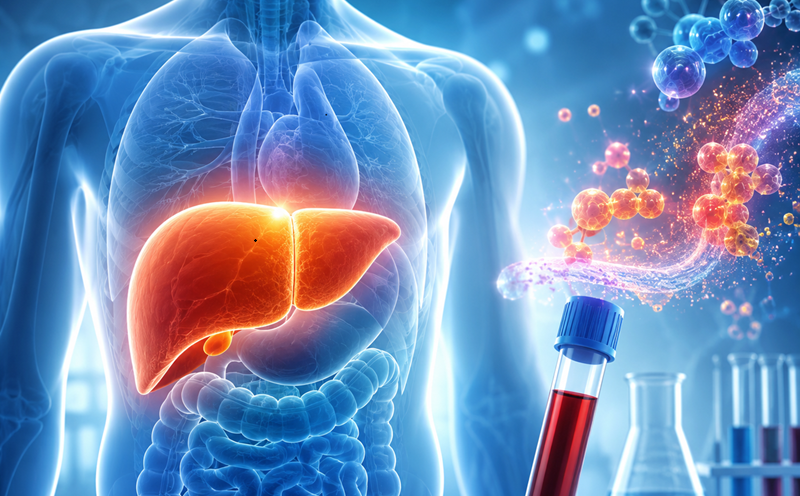
This is exactly why routine bloodwork catches so many cases that people would otherwise miss. If a recent lab report came back with elevated enzymes, that’s reason enough to book a follow-up.
What Happens at a Hepatitis-Focused GI Visit?
The visit to a gastroenterologist is more straightforward than it sounds. Here’s a quick walkthrough of what to expect, from your first conversation to a follow-up plan. You can also check these procedure prep tips for a relaxed and comfortable experience.
- History and risk review — symptoms, family history, travel, lifestyle factors.
- Blood work — a liver panel plus a hepatitis panel to identify the specific type, if present.
- Physical exam — checking for tenderness or swelling near the liver.
- Imaging, if needed — an ultrasound if enzyme levels are notably elevated.
- A plan — antiviral treatment, lifestyle adjustments, or a monitoring schedule, depending on findings.
Most of this happens without anything invasive. Biopsies are reserved for the more ambiguous cases.
Key Takeaways
- Persistent fatigue, nausea, dark urine, and jaundice are early signs worth checking out.
- Symptoms lasting more than a few days or paired with abdominal pain call for a visit.
- High liver enzymes on routine bloodwork are often the first real clue.
- A gastroenterologist is usually the right starting point for hepatitis care.
Give Your Liver the Attention It Needs
Hepatitis rarely announces itself loudly. It shows up in tiredness you brushed off, a lab result you meant to follow up on, a color change you didn’t mention to anyone. Catching it early is almost always easier than treating it late. If any of this sounds familiar, the team at Gastro One is here when you’re ready to talk it through.
Call 901-755-9110 to schedule an appointment for trusted GI treatment and care for digestive health.
Frequently Asked Questions
Can hepatitis go away without treatment?
Hepatitis A often clears on its own within weeks. B and C can become chronic and need monitoring or antivirals, so testing is the only way to know which you’re dealing with.
Is hepatitis contagious through casual contact?
No. A spreads through contaminated food or water; B and C spread mainly through blood and certain fluids, not everyday contact.
How soon do symptoms show up after exposure?
It varies. A few weeks for Hepatitis A, up to several months for B or C. That gap is exactly why testing matters more than waiting for symptoms.
Can liver enzymes look normal even with hepatitis present?
Yes, especially early on. That’s why symptoms and risk factors are weighed alongside lab results, not enzymes alone.
Is fatty liver the same as hepatitis?
No. Fatty liver involves fat buildup rather than viral inflammation, though both can look similar and both fall under a gastroenterologist’s care.