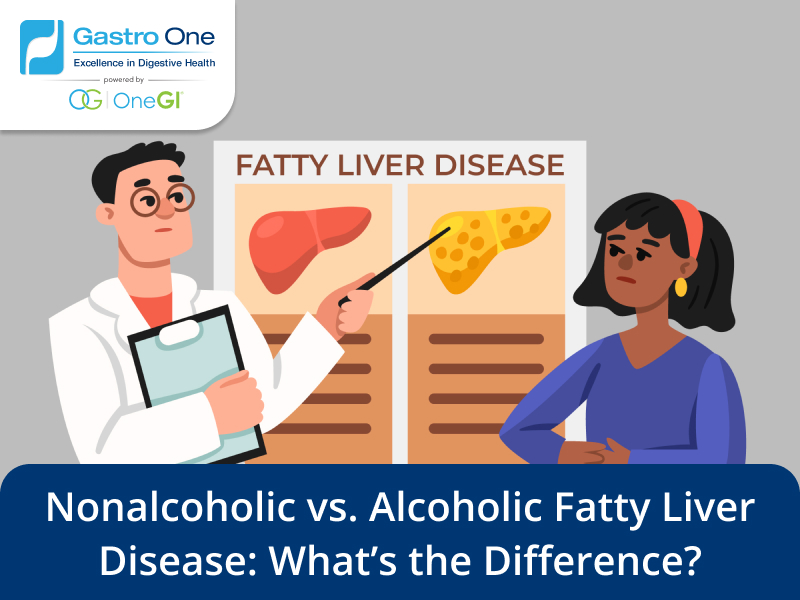
Your liver is a powerhouse. It filters toxins, aids digestion, and regulates blood sugar. But when fat builds up in liver cells, it compromises these vital functions. This condition is known as fatty liver disease.
Doctors divide this condition into two main categories: Nonalcoholic fatty liver disease (NAFLD), recently renamed Metabolic Dysfunction-Associated Steatotic Liver Disease (MASLD), and Alcohol-Associated Liver Disease (ALD).
Understanding the difference is critical for getting the right treatment. Here is how they compare.
Table of Contents
What Is Fatty Liver Disease?
Fatty liver disease occurs when excess fat accumulates in the liver. A healthy liver contains little to no fat. When fat makes up more than 5 to 10 percent of the liver’s weight, medical professionals diagnose it as fatty liver (steatosis).
The primary difference between the two types lies in the cause:
- NAFLD (MASLD): Excess fat builds up in people who drink little to no alcohol. It is closely tied to metabolic health.
- ALD: Excess fat builds up due to heavy alcohol consumption. The liver breaks down alcohol, but the process generates harmful substances that damage liver cells and promote inflammation.
What Causes Fatty Liver Disease? Key Risk Factors Explained
While both conditions result in a fatty liver, the underlying causes behind them differ significantly.
Non-Alcoholic Fatty Liver Disease (NAFLD) or Metabolic Dysfunction-Associated Steatotic Liver Disease (MASLD)
This is the most common chronic liver disease in the United States, affecting about 24 percent of adults. It develops when the body produces too much fat or does not metabolize fat efficiently.
Key Risk Factors:
- Obesity: This is the strongest risk factor.
- Type 2 Diabetes: Up to two-thirds of people with type 2 diabetes have a fatty liver.
- Metabolic Syndrome: Conditions like high blood pressure, high triglycerides, and low HDL (good) cholesterol increase risk.
- Genetics: Certain genes may make you more susceptible.
Alcohol-Associated Liver Disease (ALD)
ALD is directly caused by consuming alcohol in excess. The definition of “excess” varies, but consistent heavy drinking over time poses the highest risk.
Key Risk Factors:
- Heavy Alcohol Use: Generally defined as more than two drinks per day for women and more than three drinks per day for men.
- Binge Drinking: Consuming large amounts of alcohol in short periods.
- Obesity: Excess weight accelerates liver damage in drinkers.
- Genetics: Some people process alcohol less efficiently than others.
What Are the Symptoms of Fatty Liver Disease and How Is It Diagnosed?
Both conditions are often silent in their early stages. Because other liver conditions may also have subtle symptoms, understanding when hepatitis symptoms warrant a gastroenterologist visit can provide useful context.
Shared Symptoms:
- Fatigue or weakness.
- Discomfort in the upper right side of the abdomen.
- Unexplained weight loss.
Advanced Symptoms (Cirrhosis):
- Yellowing of the skin and eyes (jaundice).
- Swelling in the legs and abdomen.
- Confusion.
How Doctors Diagnose It
Since symptoms are rare early on, doctors often discover fatty liver disease during routine blood tests. To confirm a diagnosis, they use:
- Blood Tests: To check liver enzyme levels (ALT and AST).
- Imaging: Ultrasound, CT scans, or MRI scans can visualize fat in the liver.
- Medical History: Your doctor will ask about your alcohol intake to distinguish between NAFLD/MASLD and ALD.
- Liver Biopsy: In some cases, a doctor removes a small tissue sample to assess the extent of damage.
How Can You Prevent and Treat Fatty Liver Disease?
The good news is that the liver is resilient, and in the early stages, fatty liver disease treatments and lifestyle changes can help reverse the condition.
For NAFLD/MASLD (Nonalcoholic)
The goal is to improve metabolic health.
- Lose Weight: Losing three to five percent of your body weight can reduce liver fat. Losing seven to 10% can reduce inflammation.
- Eat a Healthy Diet: Limit added sugars, refined carbohydrates, and saturated fats.
- Exercise Regularly: Physical activity burns liver fat even without significant weight loss.
For ALD (Alcohol-Associated)
The primary treatment is stopping the cause.
- Abstain from Alcohol: This is the most effective treatment. For early-stage ALD, stopping drinking can reverse the damage.
- Seek Support: Alcohol cessation programs and support groups are vital for long-term success.
- Nutritional Support: Heavy alcohol use often leads to malnutrition. A balanced diet helps the liver repair itself.
How to Improve Liver Health: Steps to Prevent Fatty Liver Disease
Your liver health depends on your choices. Whether the cause is metabolic or alcohol-related, the outcome of untreated fatty liver disease is the same: inflammation, scarring (cirrhosis), and potential liver failure.
If you have risk factors like obesity, diabetes, or heavy alcohol use, talk to your doctor. Early detection saves lives. Patients can securely update their health information through the Gastro One Portal or schedule an appointment today.